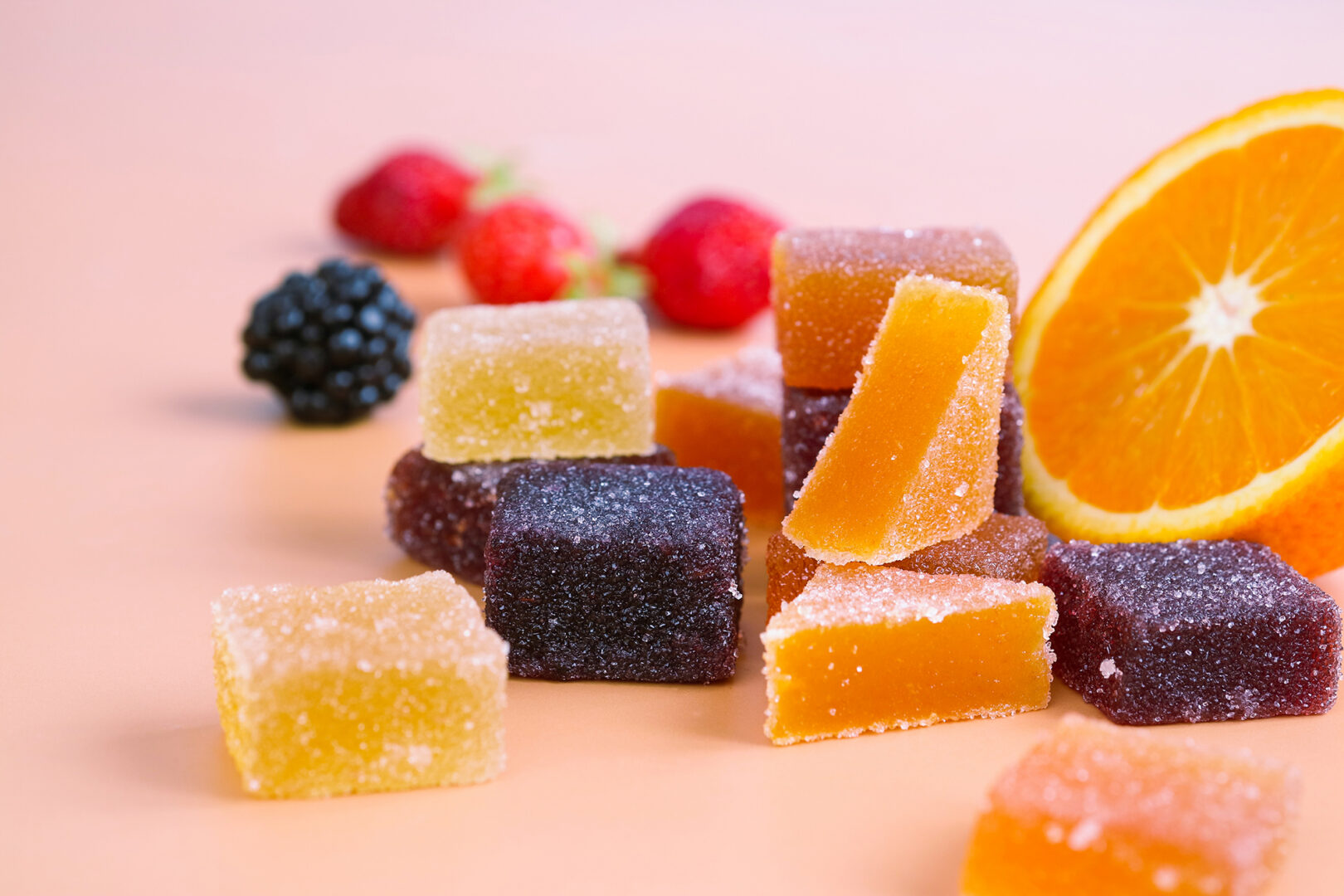
How to Make Gummies Without Gelatin?

Georgia Verwaard
Content Marketeer
Apr 2026
3 min read
Learn how to make delicious non-gelatin gummies with this easy step-by-step guide, perfect for vegans and those avoiding animal products.
Gelatin-free gummies rely on plant-based hydrocolloids to create a stable, enjoyable texture without using animal ingredients. These systems are increasingly favored for vegan products, clean-label formulations, and gummies that must withstand varying storage and distribution conditions. With the right hydrocolloid and processing method, manufacturers can achieve a texture that is both familiar and highly stable.
Ingredients for Non-Gelatin Gummies
Base ingredients
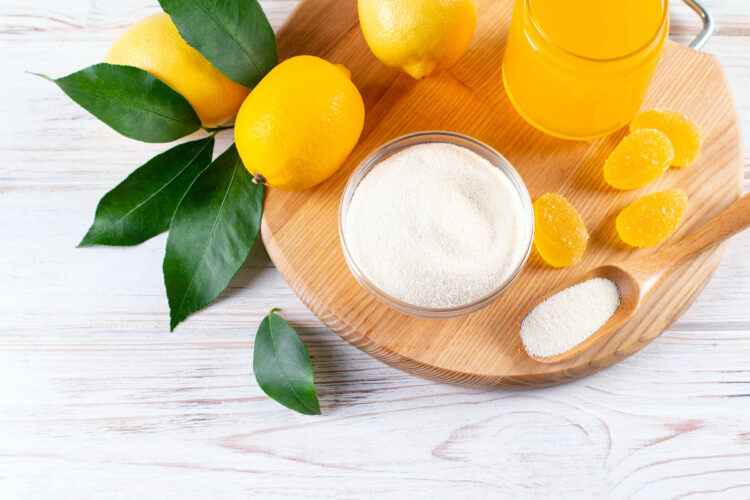
Pectin and starch are the most common alternatives to gelatin. Pectin produces a defined, fruit-like bite and is well-suited for gummies with bright flavours and clean label positioning. Starch provides a softer, more elastic texture but requires longer drying times and careful moisture control. For manufacturers researching how to make gummies without gelatin or agar agar, pectin and starch are the preferred choices. Agar agar can be used, but it tends to create a firm, brittle gel that does not always align with mainstream gummy expectations. Explore our related technical article: Pectin as a gelling agent: vegan, high fiber and heat-friendly
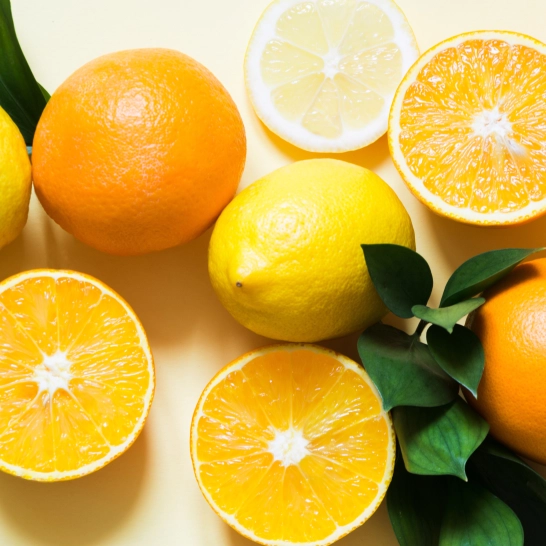
Flavouring and colouring
Fruit concentrates, natural flavours, and colour extracts blend well with plant-based hydrocolloid systems. Acids, such as malic or citric acid, should be added only after the hydrocolloid has fully dispersed and hydrated. This prevents premature gelling or destabilization during cooking.
Step-by-Step Instructions
Preparing the mixture
Heat water and sugars to reach the target Brix range, creating the foundation for proper gelling. Add pectin or starch and allow full hydration; uniform dispersion is essential for consistent texture. Cook to the activation temperature of the chosen hydrocolloid. Pectin, for example, requires specific temperature and pH conditions to set correctly. Only after cooking, incorporate flavours, colours, and acids to protect their stability and ensure a clean final profile.
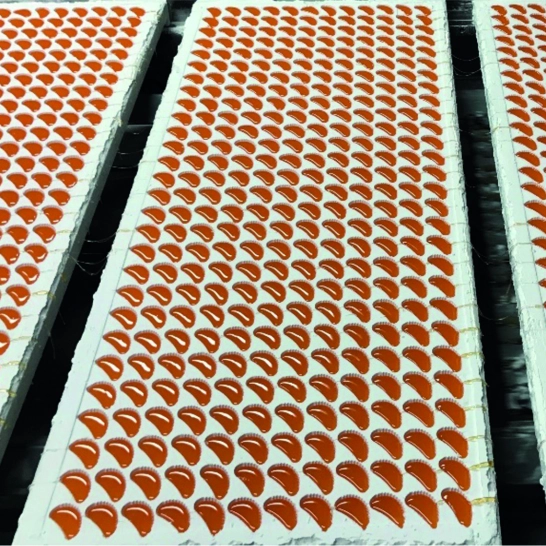
Moulding and setting the gummies
Once the mixture is ready, deposit it into starch beds or silicone molds. For pectin systems, controlled cooling ensures a uniform set. Starch-based gummies require additional drying time to reach the correct water activity. Consistent airflow and regulated humidity prevent uneven textures and shorten overall drying cycles. Read our blog about How to dry gummies?
Tips for Perfect Non-Gelatin Gummies
Maintain precise control over pH and Brix, especially when working with pectin. Ensure steady cooking curves, temperature variations can weaken gel strength. Monitor water activity throughout the process to support long-term stability and prevent stickiness. Internal resources on hydrocolloid behavior and gummy process control can provide additional guidance for manufacturers refining their formulations.
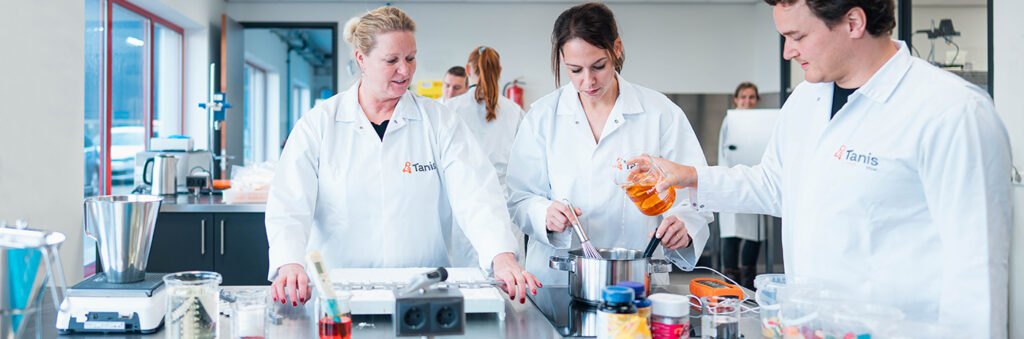
Interested in developing stable, high-quality gelatin-free gummies?
The experts at the Tanis Innovation Center are here to support your formulation and process development needs. Explore our related technical articles or contact our team for tailored advice.